







Noncommunicable Diseases, Rehabilitation and Disability
We are responsible for leading, coordinating and monitoring global action to cover additional people with health services, medicines, vaccines, diagnostic and health technologies for the prevention, screening, early diagnosis and appropriate treatment of cardiovascular diseases, cancers, chronic respiratory diseases and diabetes. We aim to advance health equity for persons with disabilities, we have a focus on sensory impairments and bring together the work on rehabilitation from across the departments and from the 3 levels of the organization.

NCD case studies
WHO / Blink Media - Ricci Shryock
©
Credits
Stories from the field
Noncommunicable diseases (NCDs) such as cancer, diabetes, heart and lung diseases are the world’s biggest killers, accounting for 74% of deaths in 2019. In response, WHO provides technical guidance and support to Member States to improve NCD outcomes, and many feasible, cost-effective and equitable actions exist for countries to better prevent and manage NCDs.
On this page, we share examples of how countries around the world are adopting interventions to prevent and control NCDs for their populations.
Acting on NCDs in primary health care (PHC) and universal health coverage (UHC)
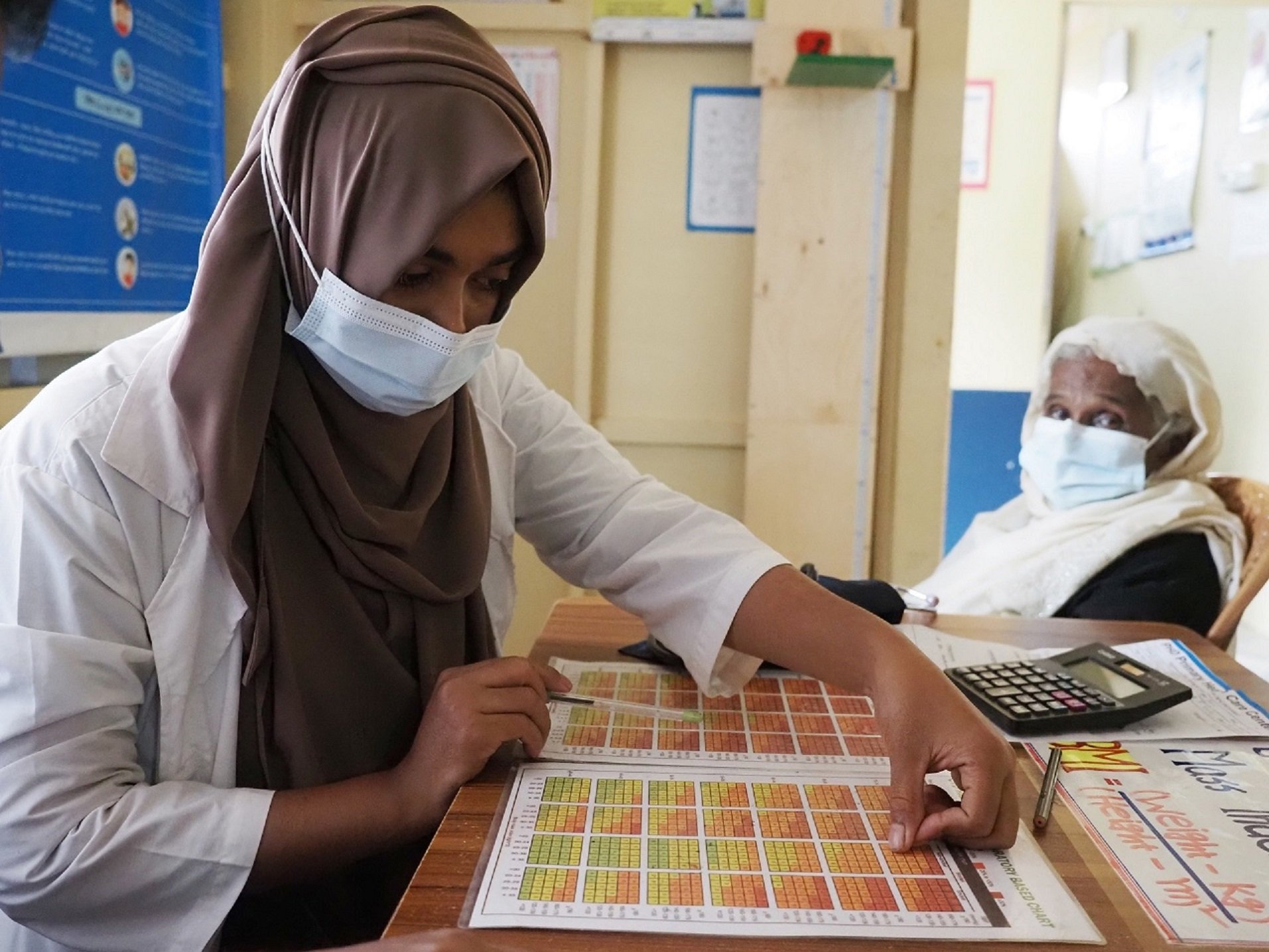
Bangladesh: Towards a model district for NCD prevention and management in humanitarian settings in Cox’s Bazar
Addressing NCDs among people living in humanitarian emergencies remains a major challenge globally. In the Rohingya refugee camps of Cox’s Bazar, WHO supports health authorities and humanitarian partners to better integrate NCD services into primary health care.
Improving cancer outcomes
Providing better health care for people living with diabetes
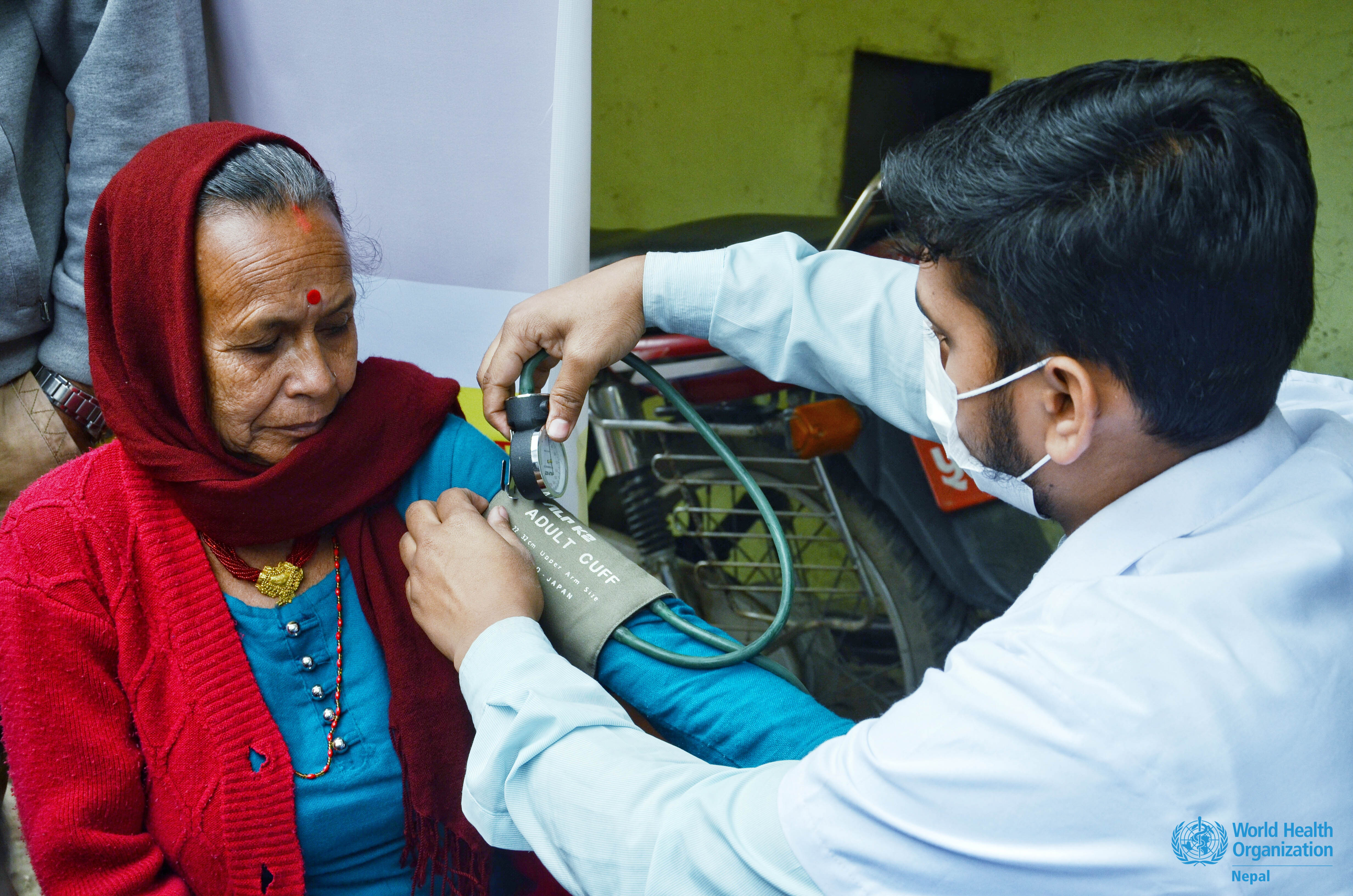
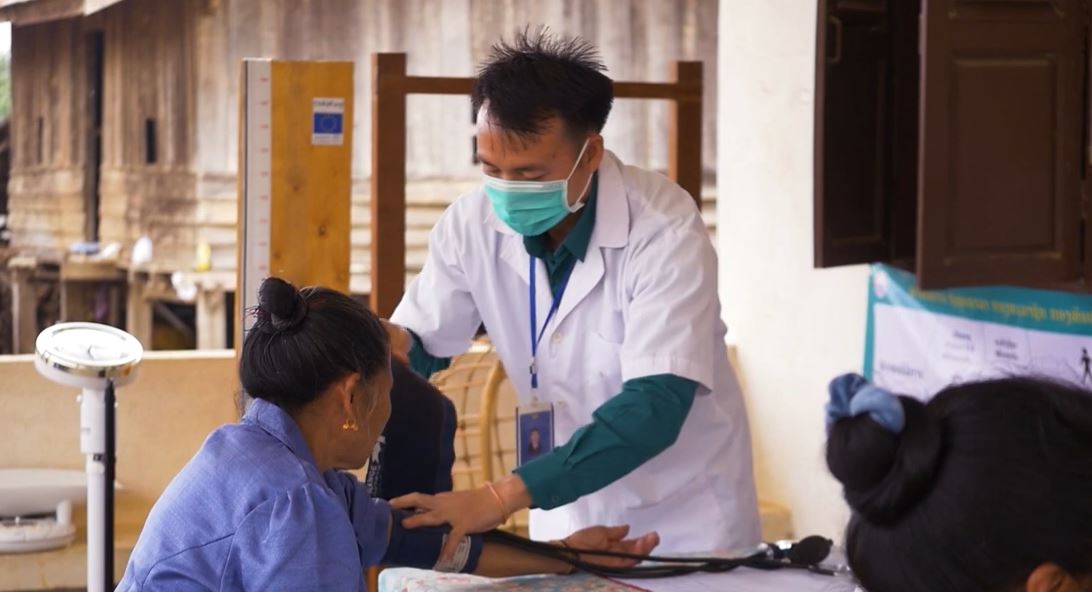
Diagnosing, treatment and managing hypertension
Oral health
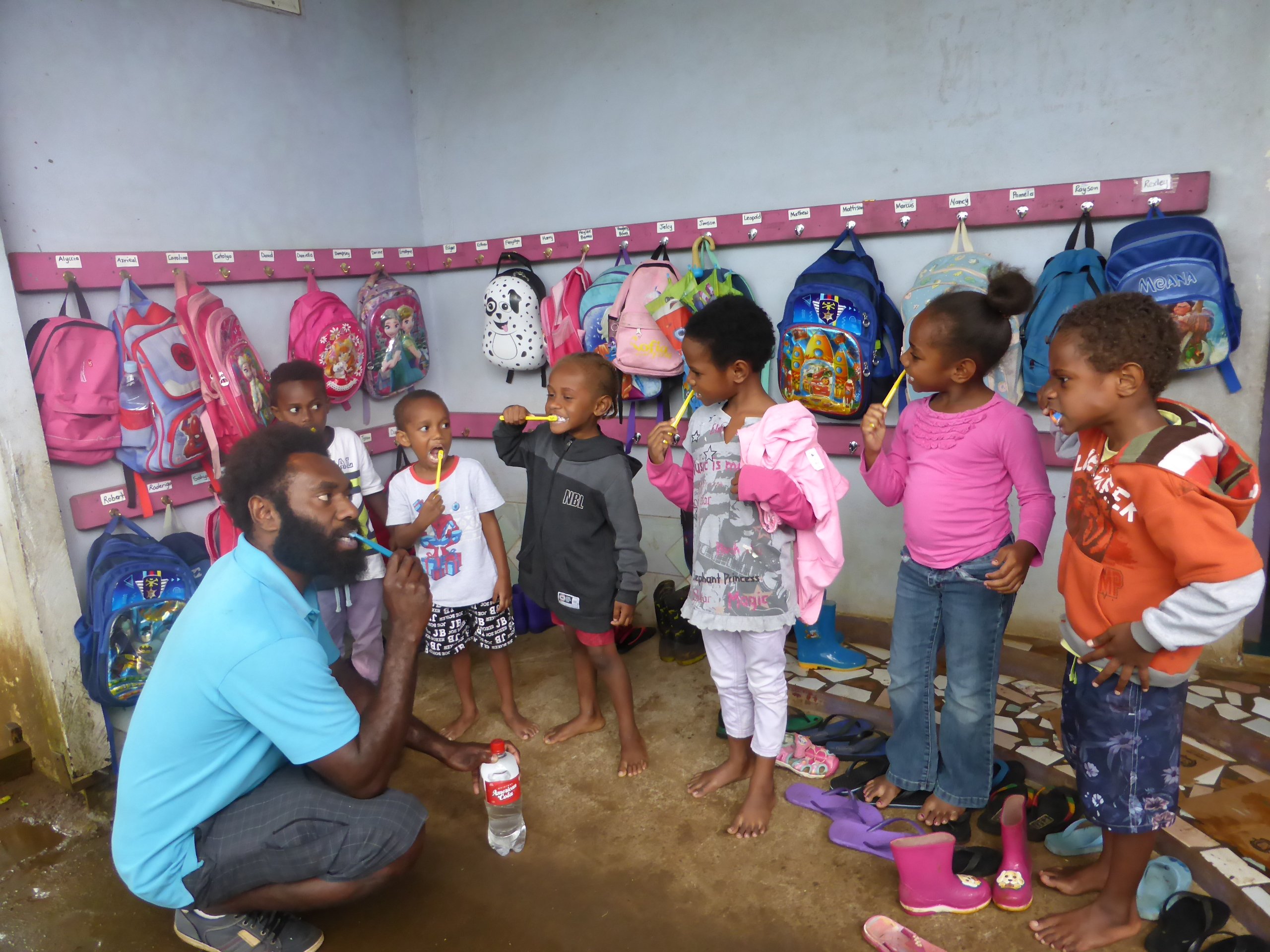
Vanuatu’s “Healthy Tooth School” programme in Vanuatu teaches children the importance of clean teeth
With oral health a key indicator of overall health, well-being and quality of life, WHO is supporting a programme implemented in 30 kindergarten and primary schools in the archipelago, reaching more than 3000 children.
Supporting people living with NCDs in health emergencies
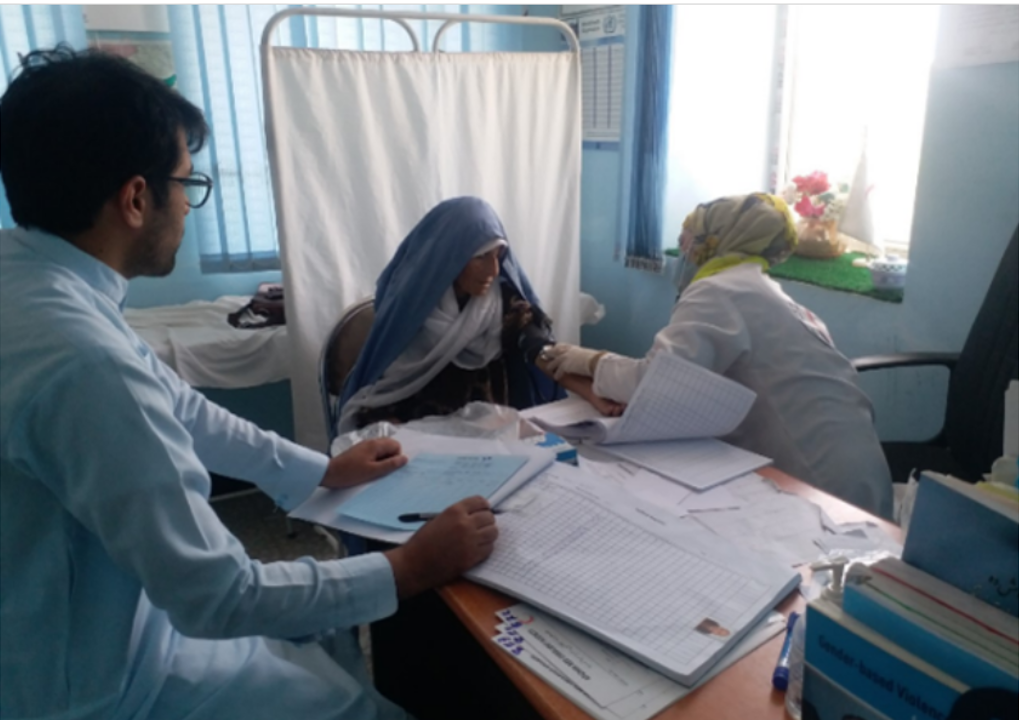
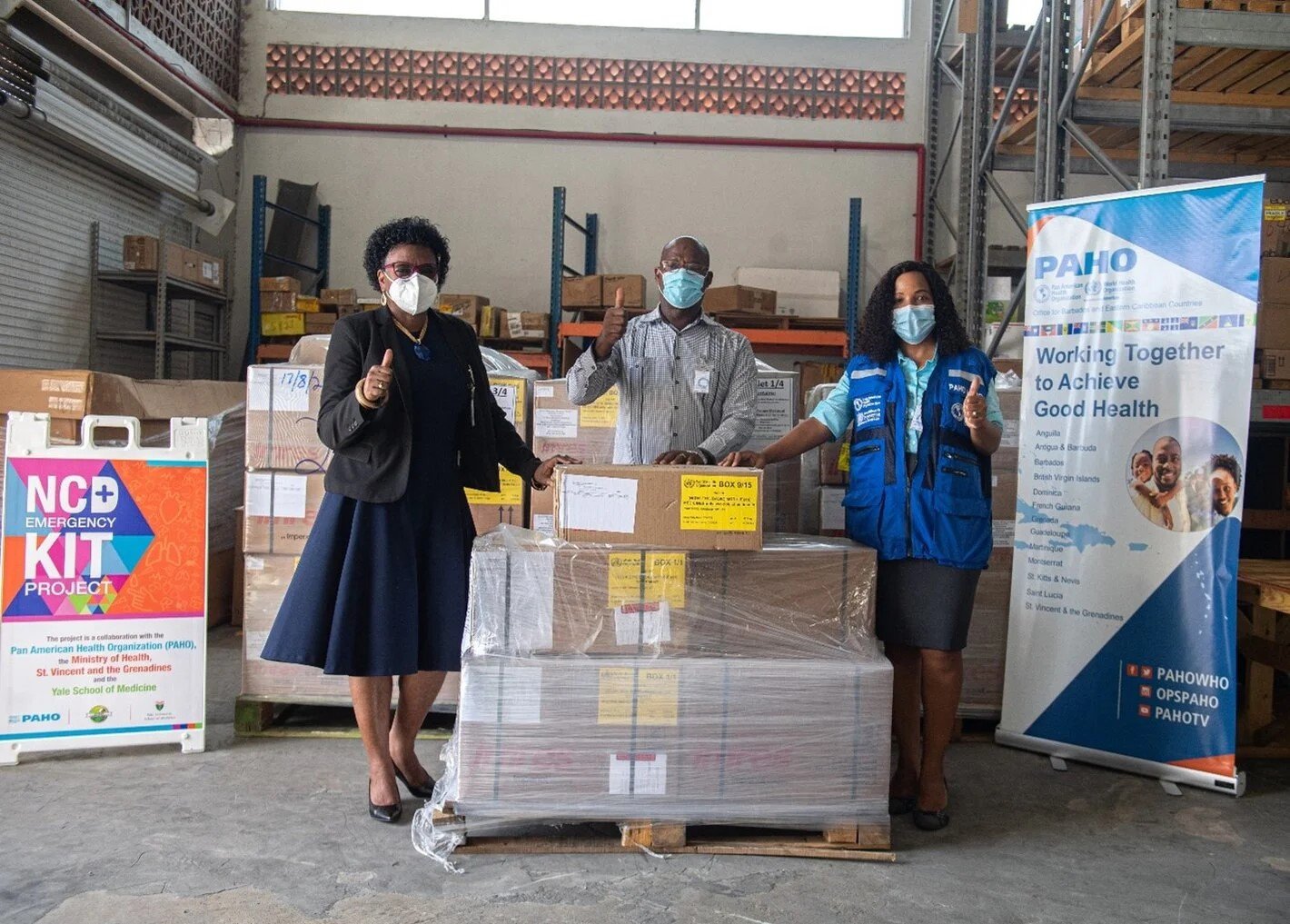
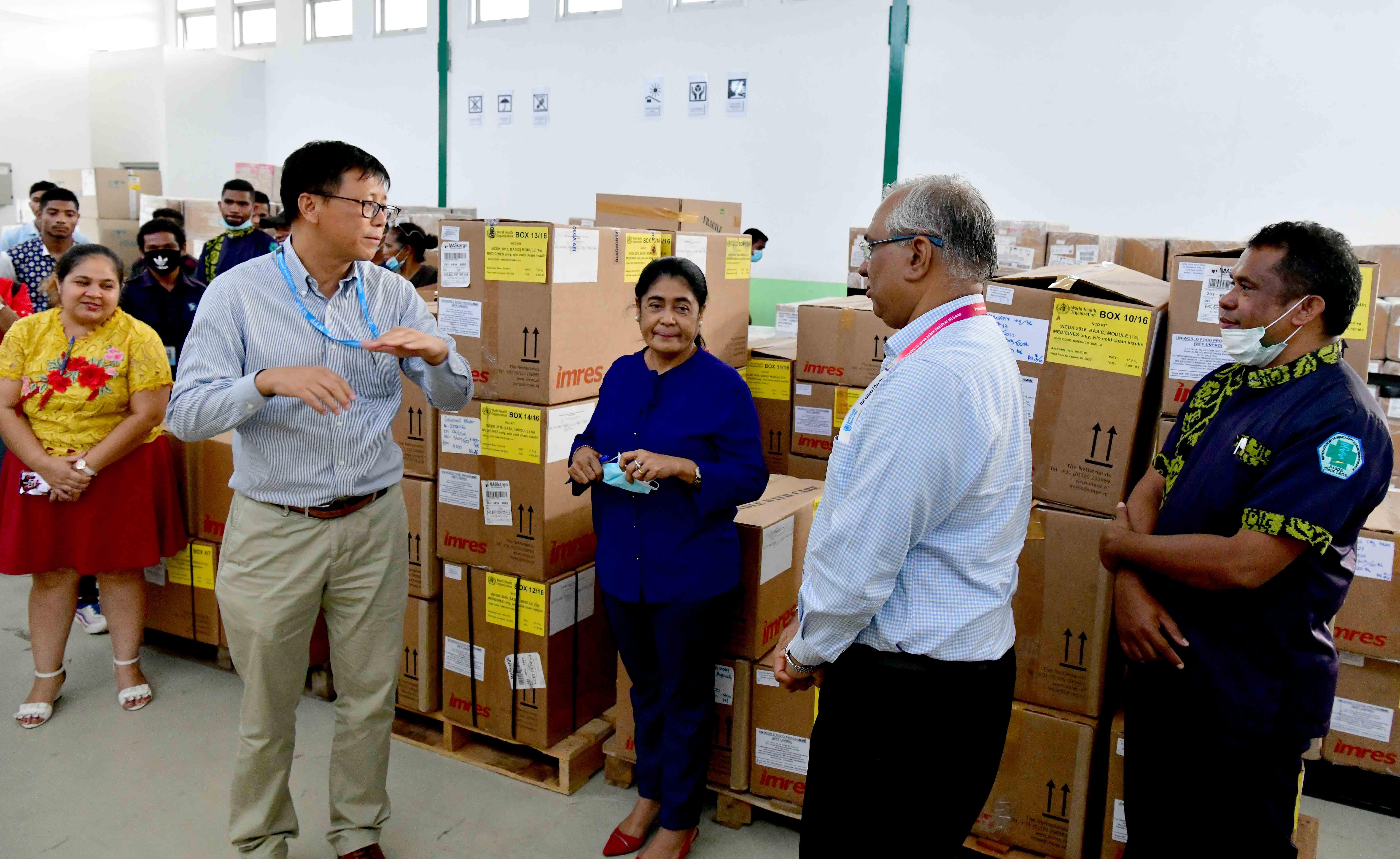
Afghanistan’s successful deployment of the NCD emergency kit shows the importance of integrating NCD services into primary health care to save lives
Working with Afghanistan’s Ministry of Public Health and partners, WHO has deployed our NCD emergency kit in four primary health care centers in provinces with declared emergencies.
Integrating disability and rehabilitation in health systems