WHO Commission on Social Connection
Anyone, anywhere, can be lonely or socially isolated. Across all ages and regions, loneliness and social isolation have serious impacts on our physical and mental health, and the well-being of our communities and society. The WHO Commission on Social Connection, established in November 2023 for three years, aims to see the issue recognised and resourced as a global public health priority. At the halfway point of its tenure, the Commission launched its flagship report, making the case for action. The Commission and its high-level Commissioners will continue to work to build on the report, raising the visibility of the topic and marshalling support to scale up proven solutions and measure progress.

Flagship report

From loneliness to social connection: charting a path to healthier societies
This landmark report from the WHO Commission on Social Connection highlights that social isolation and loneliness are widespread, with serious but under-recognized impacts on health, well-being, and society. Drawing on the latest evidence, the report makes a compelling case for urgent action.

Plain language summary

Cover of the plain language version of the WHO Commission on Social Connection's flagship report. Depicts two hands in the shape of a letter C linking fingers to convey a sense of connection.
Plain language summary: report of the WHO Commission on Social Connection

Events

Webinar: 'Connection Conversation' on fostering social connection across the life-course through cities and communities

25 June 2026 | Co-organised by the Cabinet Office, Government of Japan; and the WHO Global Network for Age-friendly Cities and Communities

Watch

Commission co-chairs

Ms Chido Mpemba

Zimbabwe

Dr Vivek Murthy

United States

Commissioners

Dr Karen DeSalvo

United States

Ms Haben Girma

United States

Why act now?

Scale

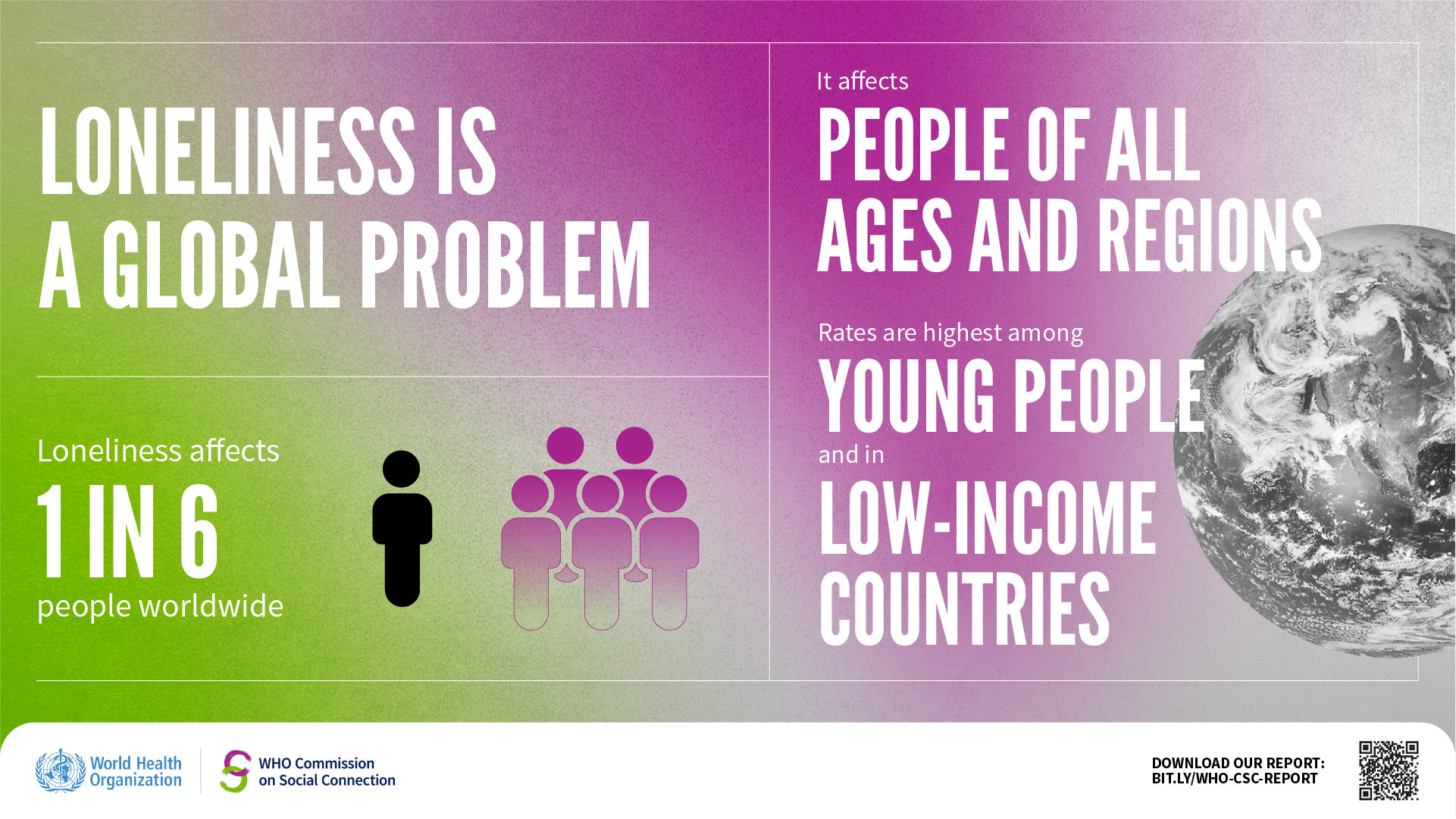
The Commission's report found that 1 in 6 people worldwide experience loneliness.

Although people across all age groups and all regions of the world are affected by loneliness, it is most common among adolescents and young adults (around 1 in 5) and in lower-income countries (nearly 1 in 4 people).

Impact

Social isolation and loneliness have serious, and still under-recognised, impacts on our health and lifespan.

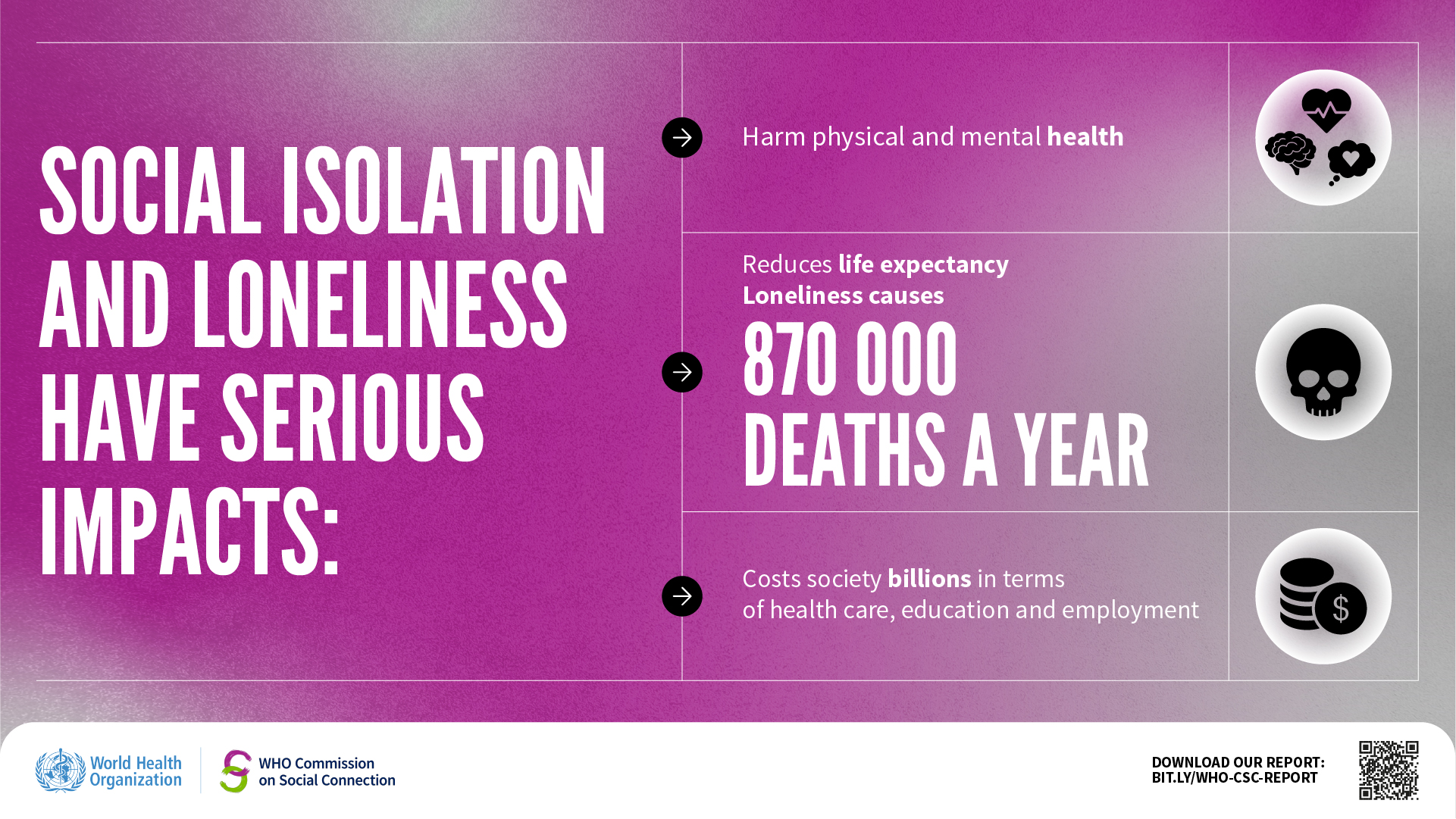
New estimates suggest that loneliness accounts for approximately 871 000 deaths each year – or around 100 deaths an hour. Social isolation and loneliness have serious impacts on mortality, physical health (e.g. cardiovascular disease and type 2 diabetes) and mental health (e.g. depression and anxiety).

Social isolation and loneliness do not just harm individuals; they also have a negative impact on entire communities and societies (e.g. education, employment, economic growth, innovation). The economic costs to employers, health care and individuals are significant and are only beginning to be estimated.

Solutions

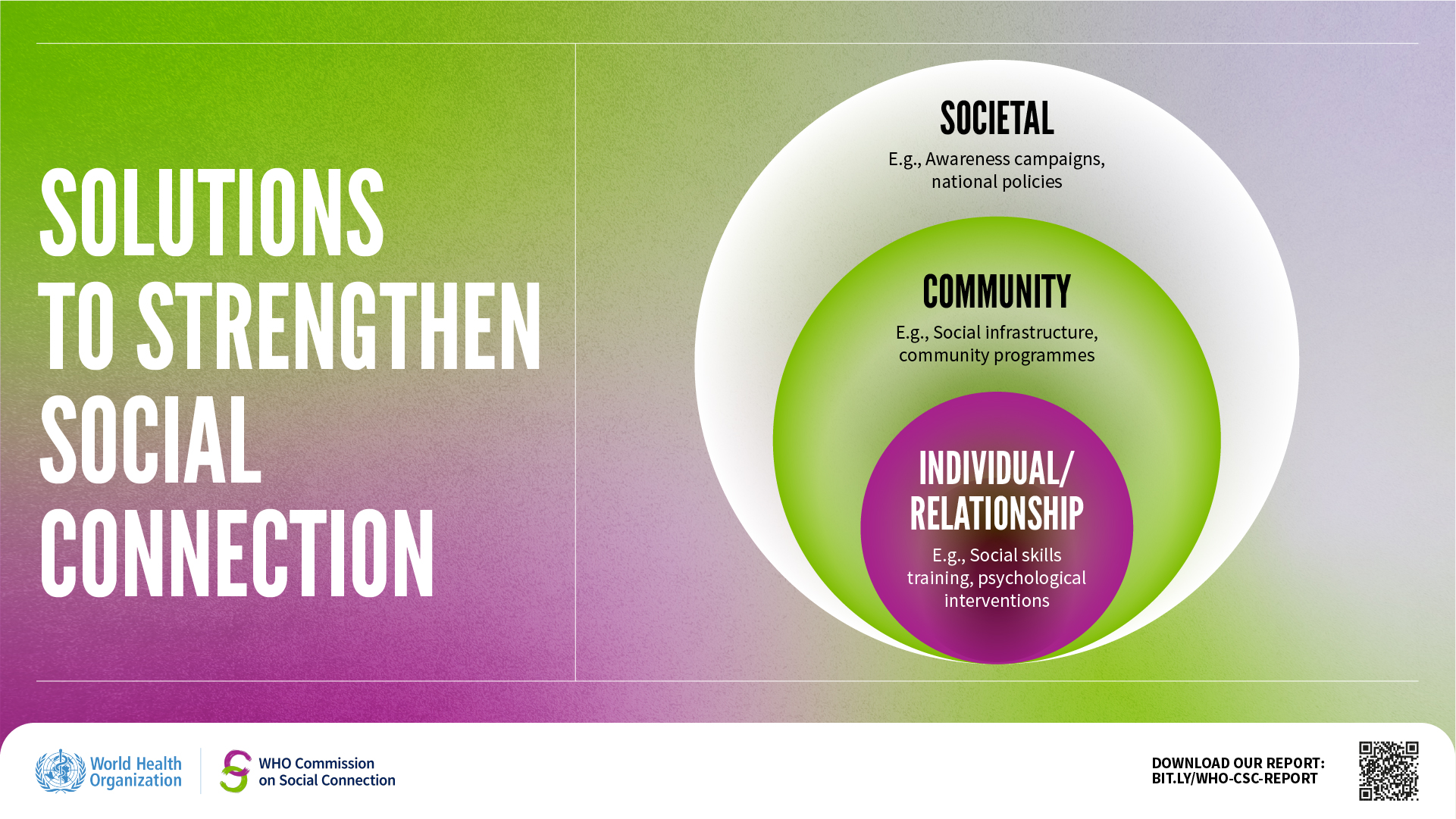
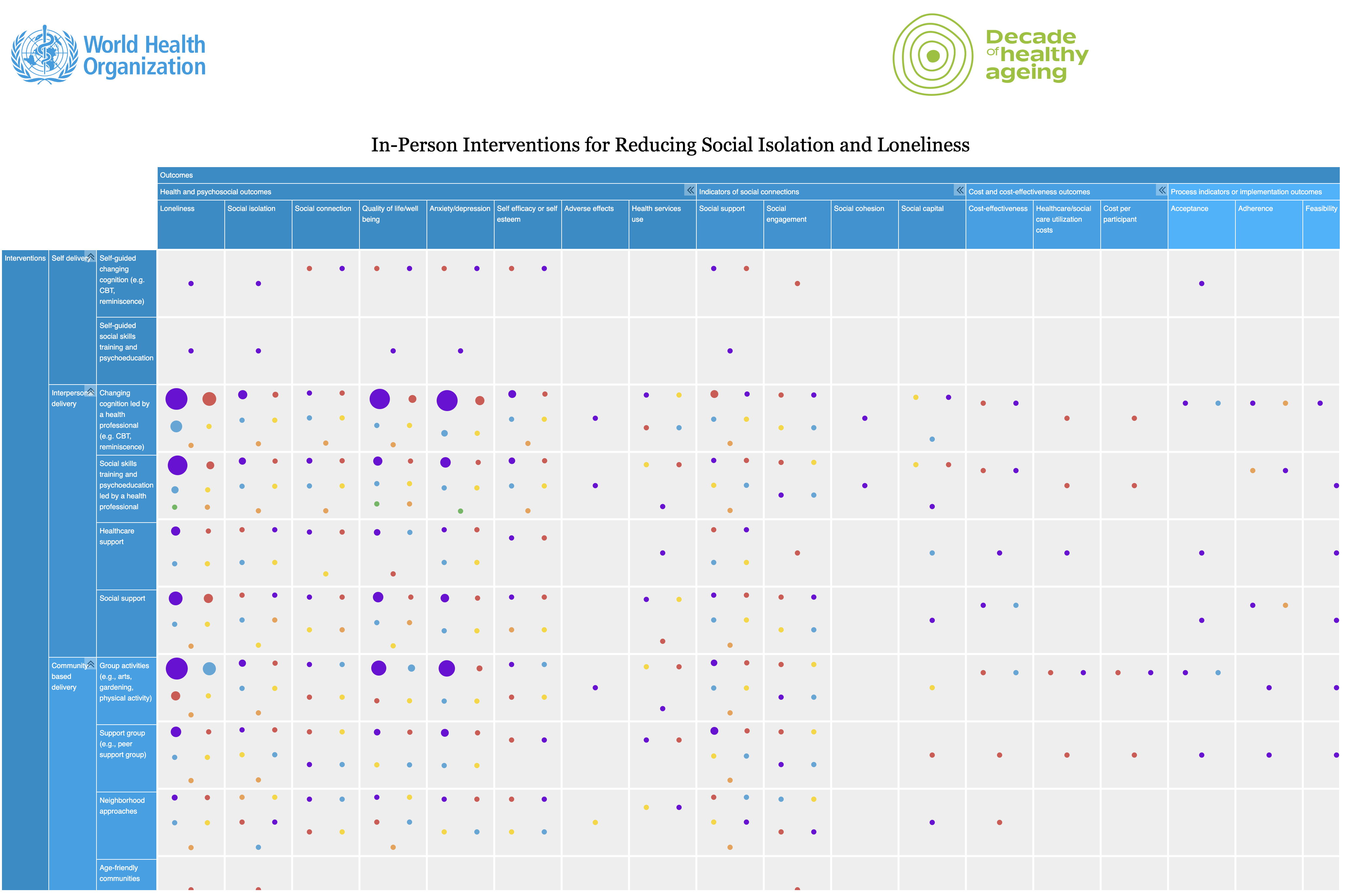
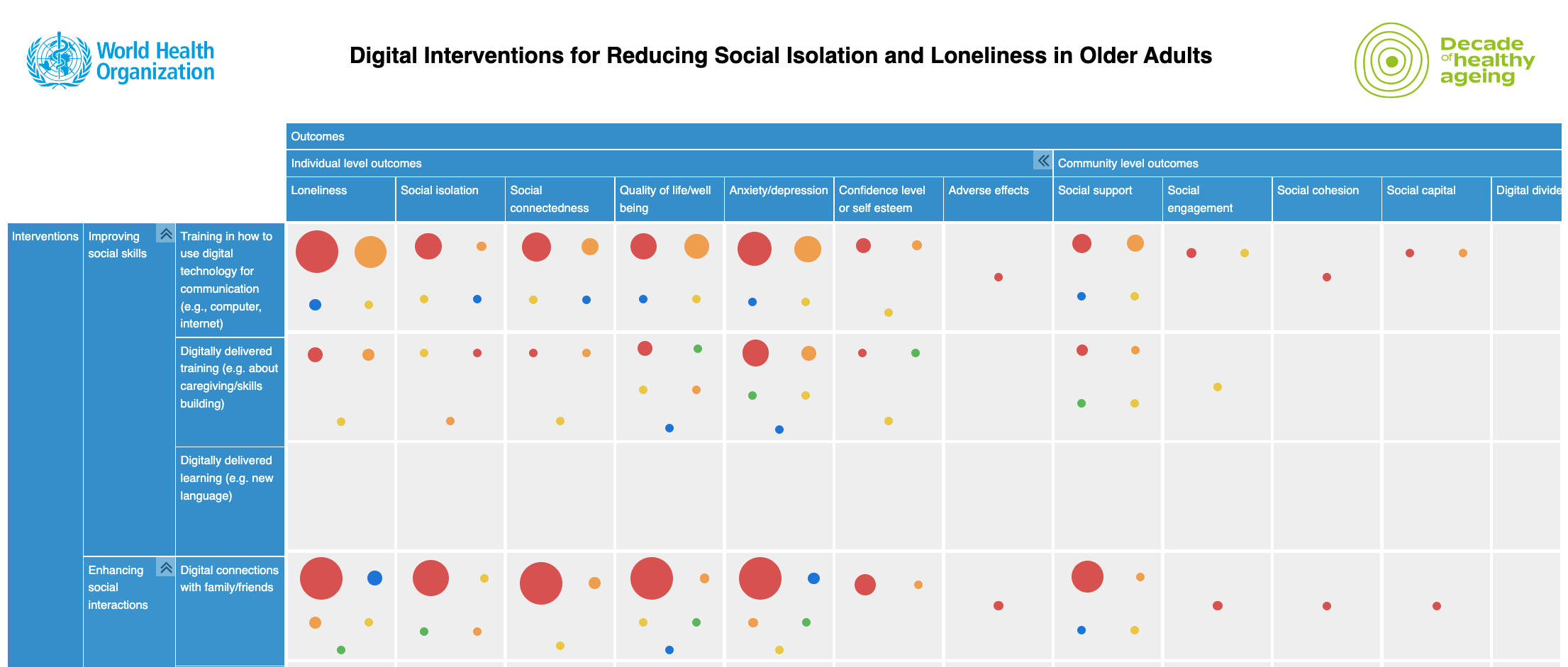
Promising solutions exist to reduce social isolation and loneliness, ranging from: advocacy, campaigns, networks and coalitions; policies; community strategies; and individual and relationship strategies.

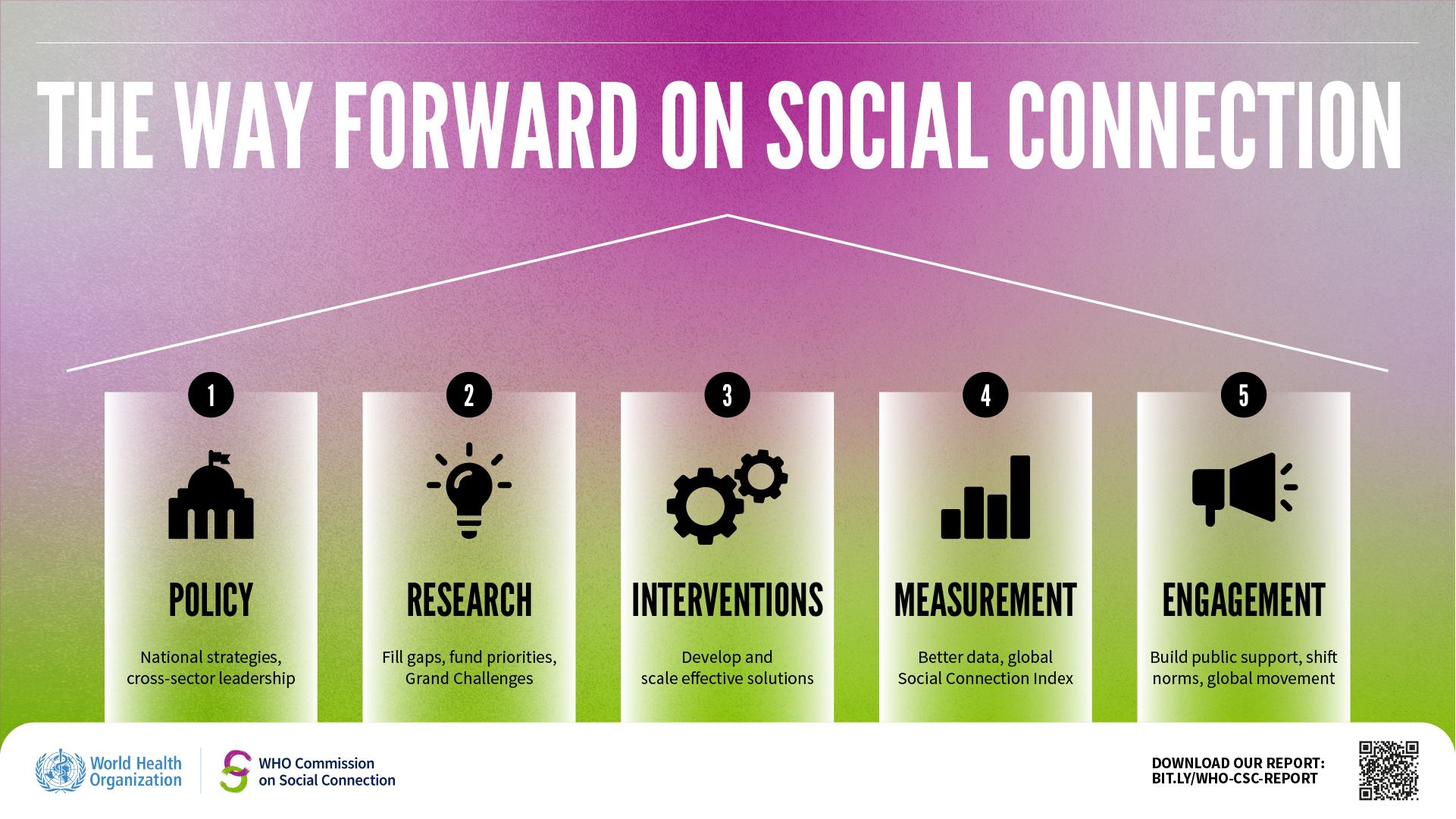
The Commission's report maps a way forward for global action on social connection in five strategic areas: policy, research, intervention, measurement and data, and engagement.

Our work

The Social Connection Series: lived experiences of people around the world through film

Social media tiles and infographics

Related links